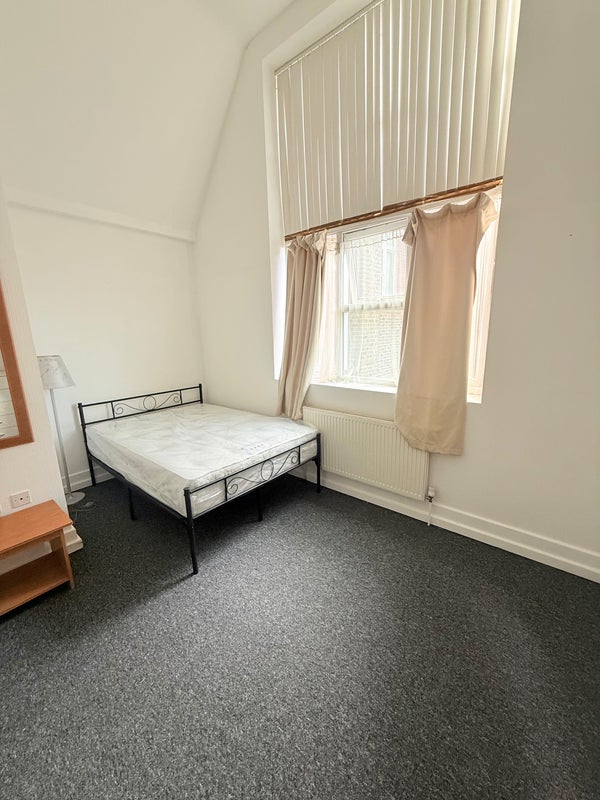
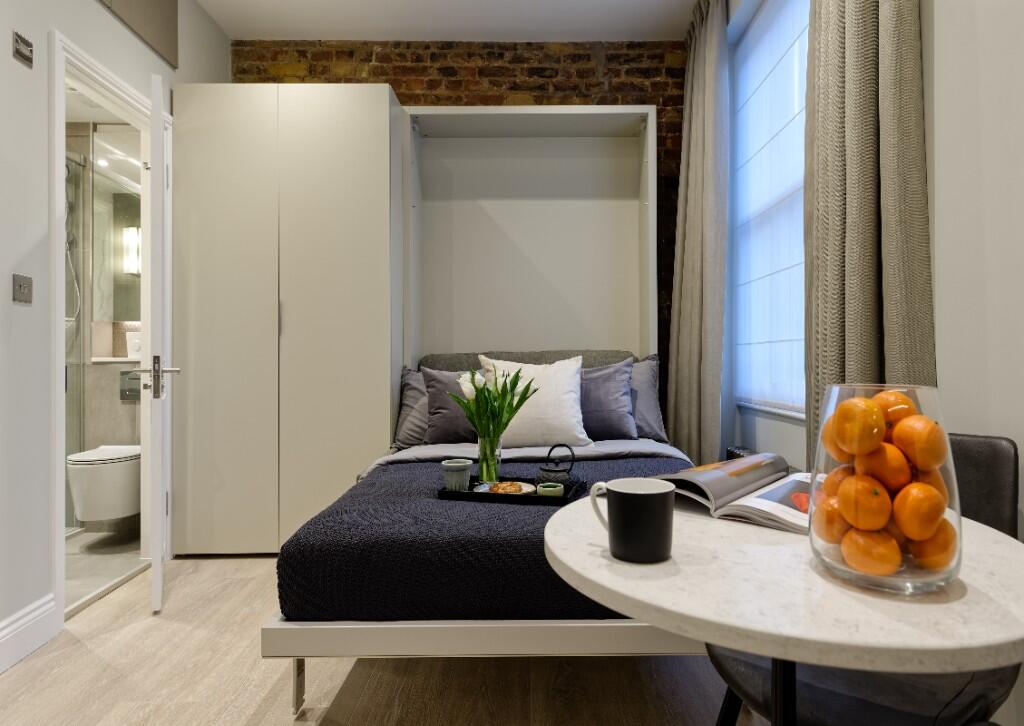
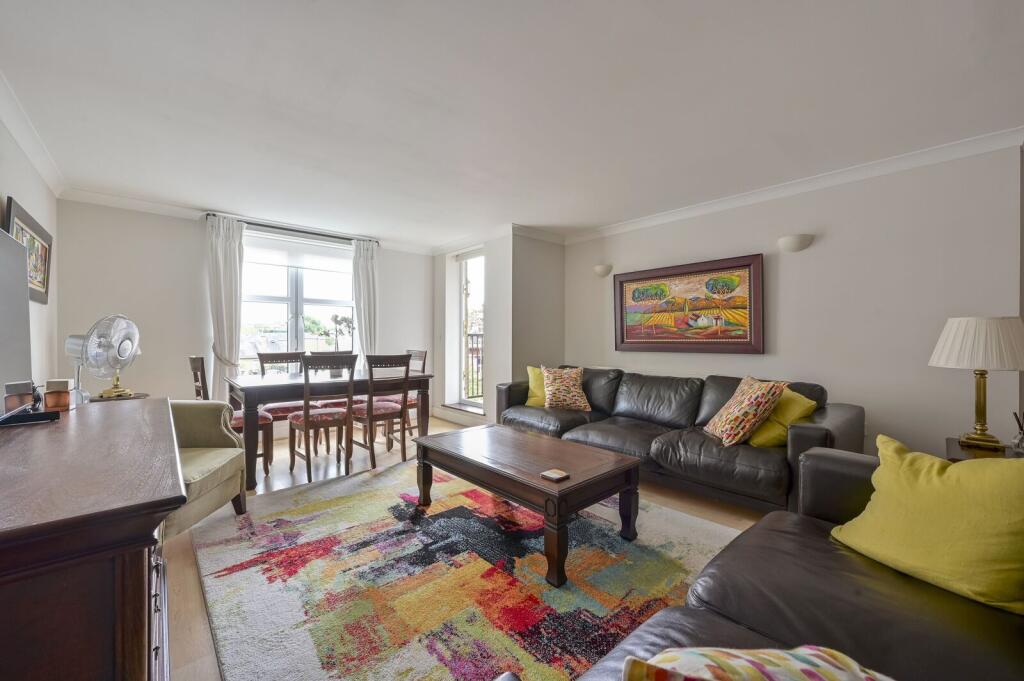
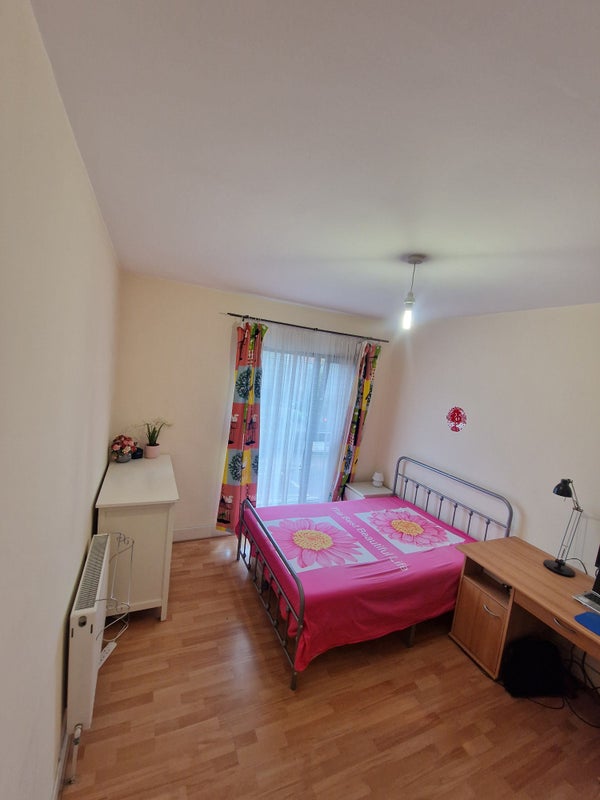
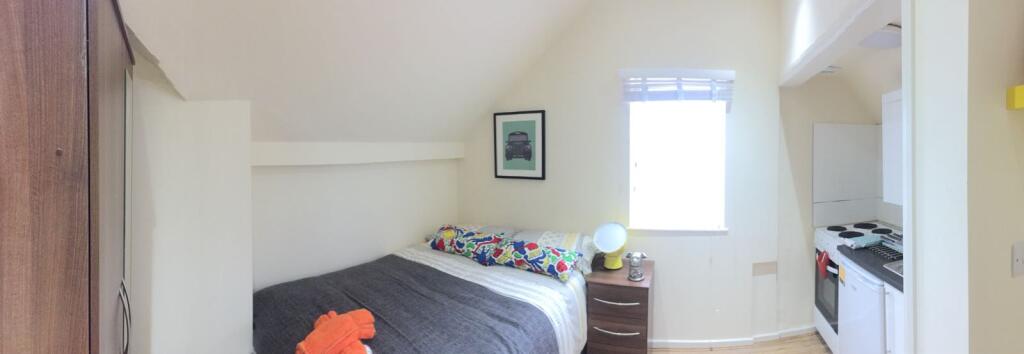
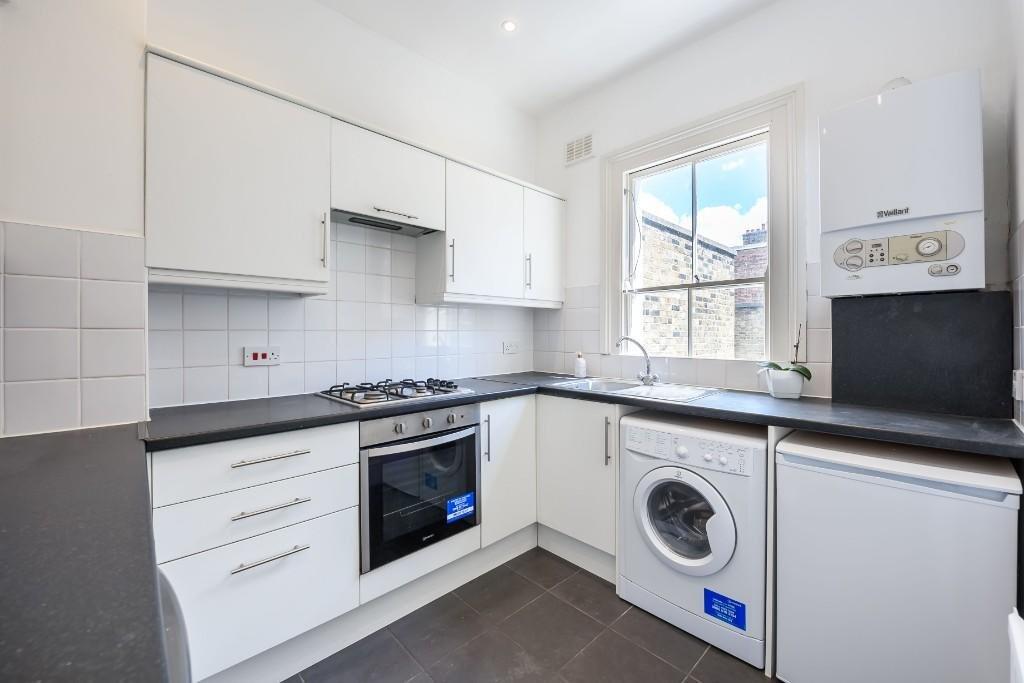
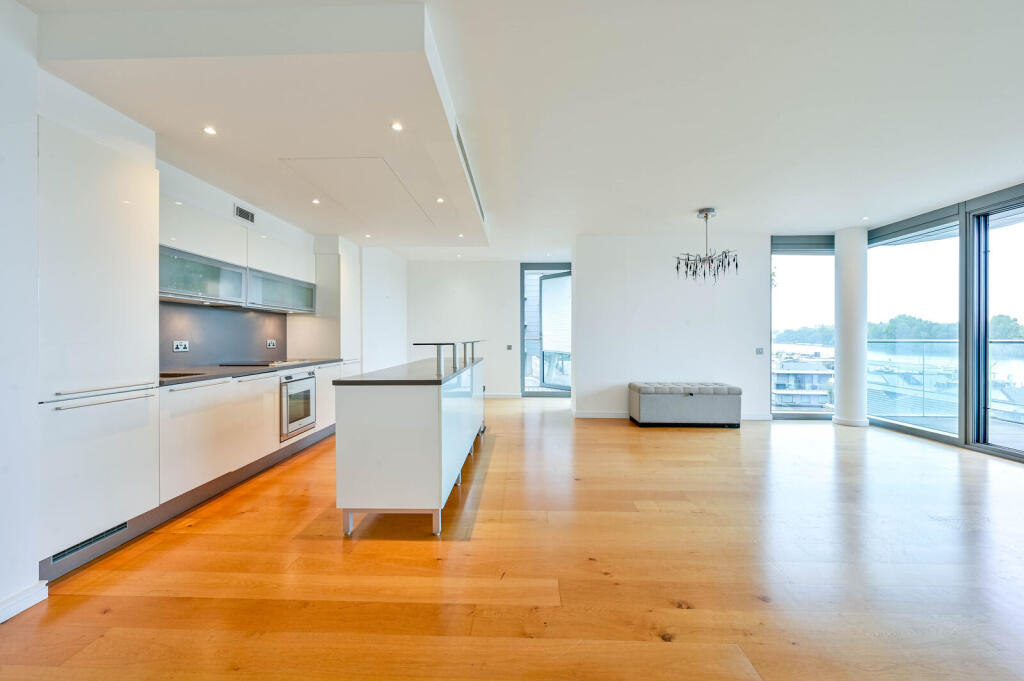
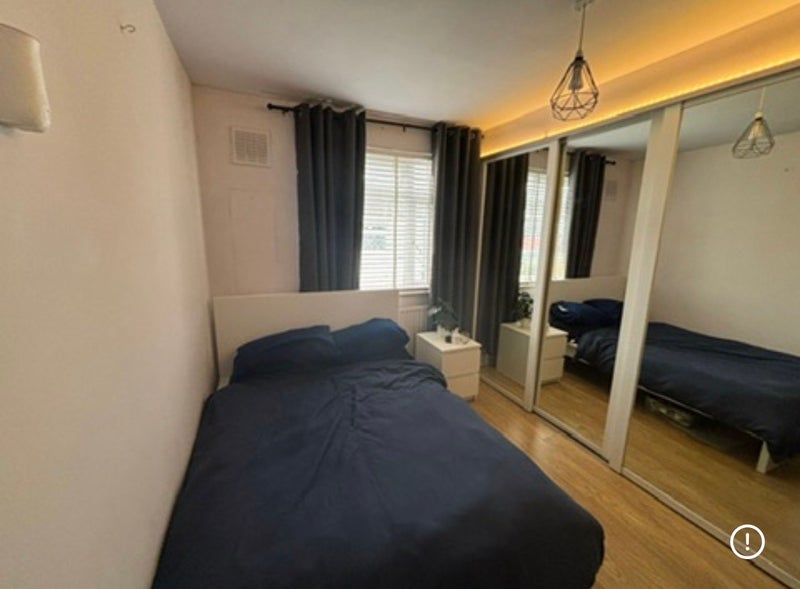
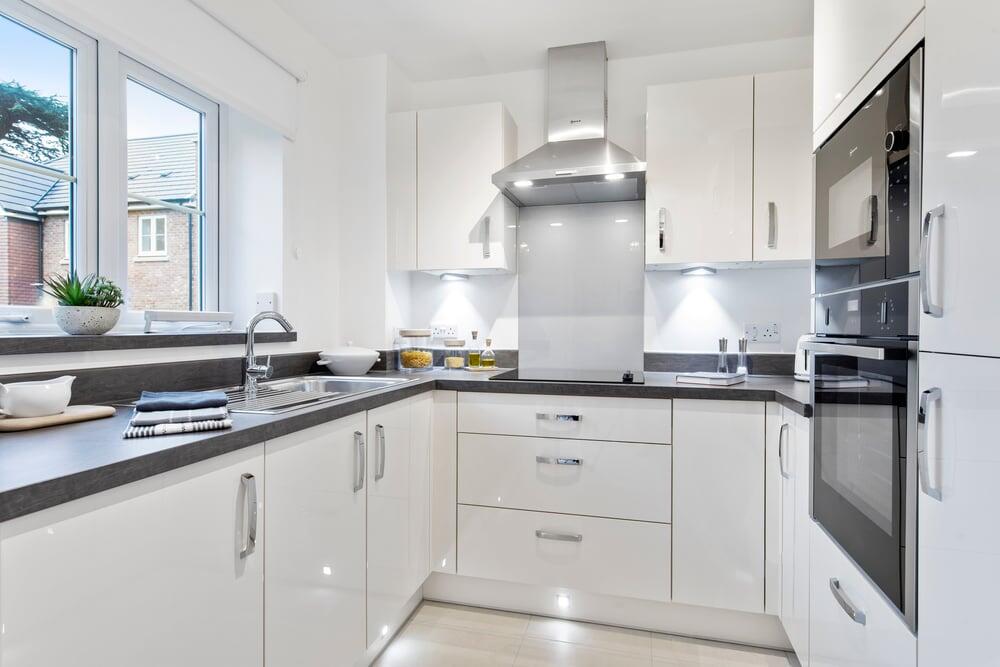
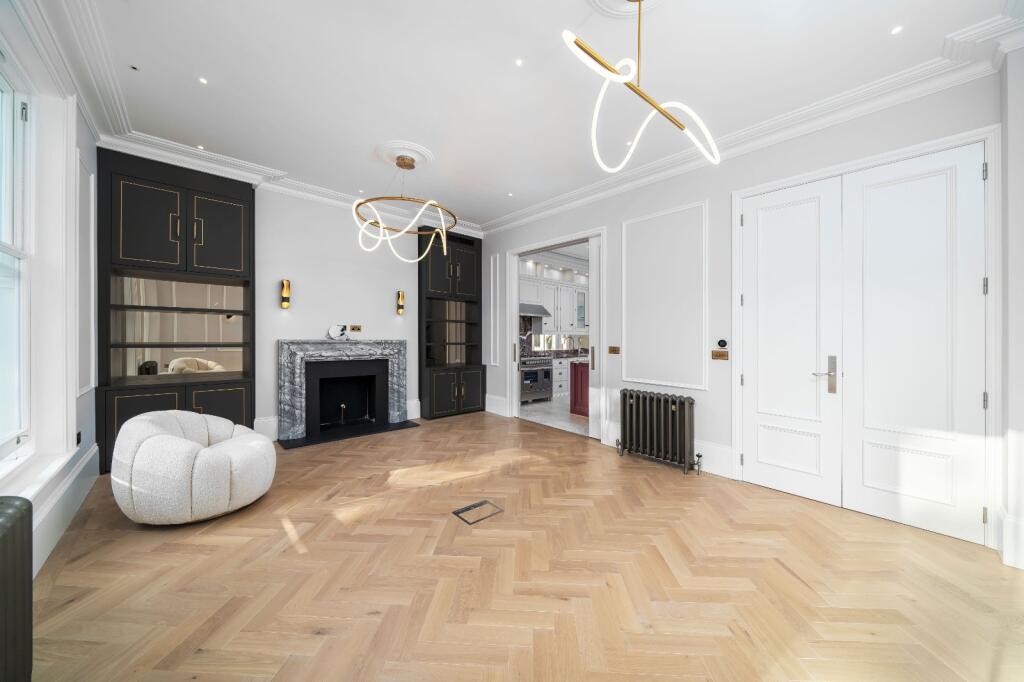
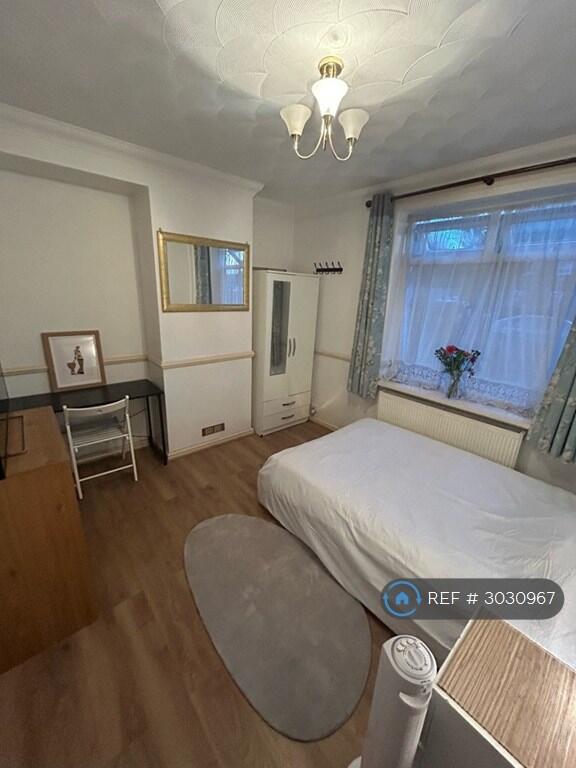
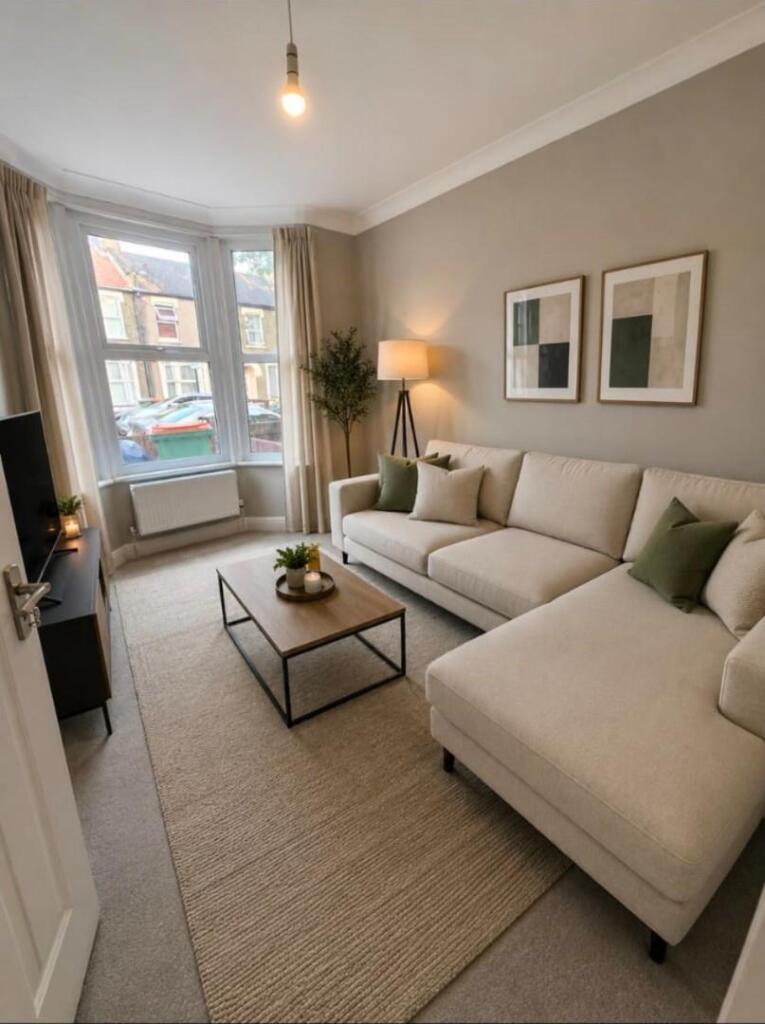
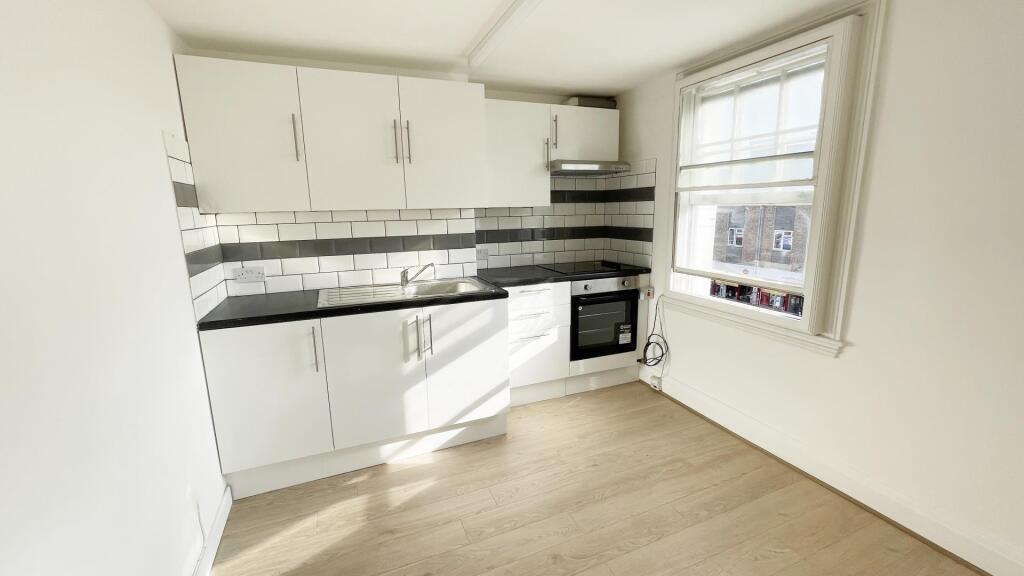
A short-term rental in London is a furnished home let for roughly one to six months, usually with bills and Wi-Fi included and far lighter paperwork than a standard tenancy. Expect to pay a premium over a 12-month let — indicatively £1,600–£2,800 a month for a studio or one-bed outside the centre, and £2,800–£5,000+ in Zone 1 — with a minimum term of one month in most cases. It suits relocators, international arrivals, students on placement and anyone who needs to land in the city before committing to a long lease.
- Typical minimum term
- 1 month
- Usual maximum
- 6–12 months
- Furnishing
- Almost always furnished
- Bills
- Often included
- Upfront
- 1st month + deposit
Short-term rent by area
| Area | Rent per month |
|---|---|
| Zone 1 — Soho, Mayfair, City, Covent GardenServiced apartments highest | £2,800–£5,000+ |
| Zone 2 — Shoreditch, Canary Wharf, Clapham, Hackney | £2,000–£3,200 |
| Zone 3–4 — Ealing, Walthamstow, Wimbledon, Greenwich | £1,500–£2,300 |
| Room in a shared short-let | £900–£1,500 |
| Studio (outer → central) | £1,600–£2,800+ |
Indicative monthly rent for a furnished one-bedroom short-term let, reviewed early 2026. Central London and serviced apartments sit at the top of each range; live prices are shown in the listings above.
What counts as a short-term let in London
A short-term let is any furnished tenancy taken for less than the usual twelve months — in practice one to six months, though serviced apartments go from a week and some landlords stretch to nine or twelve. The home comes ready to live in: furniture, kitchenware, Wi-Fi and usually utilities and council tax folded into one monthly figure, so there is nothing to set up and nothing to cancel when you leave.
Because the arrangement is short and fully managed, the monthly rate runs above an equivalent long let — you are paying for flexibility, inclusive bills and the absence of a twelve-month commitment. For anyone whose plans are measured in months rather than years, that trade is usually worth it.
Minimum terms, deposits and what you pay upfront
One month is the most common minimum, with serviced apartments available from a few weeks and independent landlords sometimes asking for three. On signing you will typically pay the first month's rent plus a deposit of four to six weeks; genuine serviced stays often replace the deposit with a card pre-authorisation instead.
Deposit protection depends on the legal form of the let. A standard assured shorthold tenancy requires the deposit to be held in a government-backed scheme (Deposit Protection Service, MyDeposits or the Tenancy Deposit Scheme). Very short lets, company lets and serviced apartments are often licences rather than tenancies and fall outside that requirement — always confirm in writing how your money is held before you pay.
Short-term tenants are usually spared the full referencing ordeal, but you should still expect ID and proof of funds, and sometimes rent paid a few months in advance in place of a UK guarantor.
How the Renters' Rights Act 2025 changed the picture
The Renters' Rights Act 2025 reshaped the standard rental market — ending fixed-term assured shorthold tenancies in favour of rolling periodic tenancies and abolishing Section 21 'no-fault' evictions. Genuine short-term and serviced lets are typically structured as licences or company lets and sit outside that regime, which is part of why they remain a clean, flexible option for people who need a defined few months rather than an open-ended home.
If a landlord offers you a rolling periodic tenancy for a short stay, read the break terms carefully: under the new rules a tenant can usually end a periodic tenancy on two months' notice, which can actually work in a short-term renter's favour.
Who short-term renting suits
It is built for people in transition: relocators starting a new job before they know which neighbourhood they want, international arrivals who cannot sign a long lease from abroad, students on a term-length placement, and anyone bridging a gap between homes or during a renovation. If you need to be in London next month and settled properly later, a short let buys you time to choose well.
Qindly's concierge service is designed for exactly this: tell us your dates, budget and must-haves, and we search every major portal and 300-plus agencies, contact the agents for you and follow up until they reply — see how it works on our personalised search or browse furnished apartments in London and monthly rentals.
Last updated